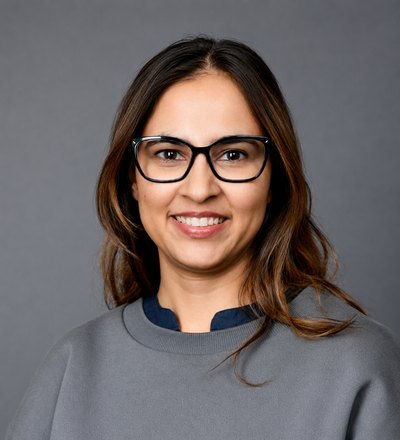
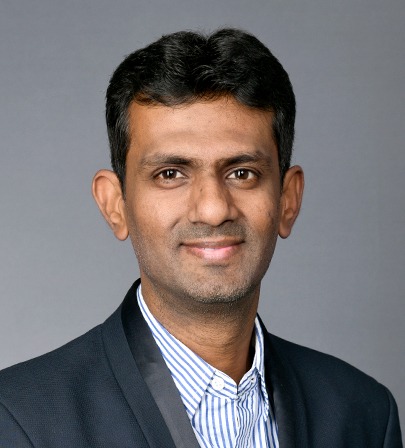
We have both spent a great deal of time thinking about the definition of success. If there is one thing we have learned, it is that success is deeply subjective.
What looks like success to others may not feel like success to you. Even something that once felt deeply fulfilling can begin to feel out of alignment—not because you have lost your talent or stopped developing your skills, but because your values and priorities have changed.
Work that once gave you a thrill may begin to feel like a chore. Other parts of life may require more of your attention: raising children, caring for aging parents, supporting a friend who is going through a difficult time, or simply recognizing that you want something different from the years ahead.
This does not necessarily mean you have become unsuccessful. It may mean your definition of success has evolved.
The moving target of success
Our earliest definitions of success are often handed to us.
When you are in school, you hear that getting good grades will make you successful because they will help you get into a good college. Once you are in college, success becomes earning strong grades, finding an internship, and perhaps getting into graduate school. During higher education, you may begin thinking, “Once I finish this degree, I will finally be successful.”
In the early part of your career, success is often defined by how quickly you learn and adapt, whether you complete your projects, and whether people see you as reliable. Later, it may become earning a promotion, leading a team, taking on more responsibility, or delivering increasingly complex work.
But the baseline keeps changing. The goal that once felt so important eventually dissolves because you have achieved it. You reach the destination, feel proud for a moment, and then begin wondering what comes next.
Both of us reached this point in different ways.
For Rashi, midlife became a moment to rethink and reevaluate what success meant. She had built a successful career, taken on significant leadership responsibilities, and continued to grow professionally. From the outside, everything appeared to be moving in the right direction. Internally, however, it was time to ask whether the definition of success that had guided the first phase of her career still fit the next one.
That reflection led her to pursue an MBA—after swearing, following her postdoctoral education, that she was never going back to school.
She was not only considering returning to school; she was pursuing a degree she had once believed could be replaced by experience. She remembers asking her husband while he was completing his MBA at the University of Chicago Booth School of Business, “Who needs an MBA? You can learn all of this at work.”
As they say, never say never.
For Sudheer, the realization came after nearly two decades in technology. He had grown from an engineer into an engineering and people leader. For many years, growth meant becoming better at solving problems, building strong teams, delivering results, and accepting increasingly significant responsibilities.
He was continuously learning—but mostly within a world he already understood. Eventually, one thought became impossible to ignore:
You don’t know what you don’t know.
When growth requires a different perspective
For both of us, returning to school in the middle of our careers was about more than adding another qualification to our résumés. It was about stepping outside the boundaries of what we already knew.
Rashi was searching for more than another skill. She was looking for value and alignment. The alignment she once had no longer felt current.
She wanted to develop new capabilities while also finding something that would help her continue growing in her profession. She needed a different perspective and wanted to place herself in an uncomfortable position—because being comfortable is overrated.
Sudheer’s experience was similar, but his questions came from a different professional journey. After spending much of his career in engineering and technology, he understood how to build and deliver solutions. He knew how to lead technical teams, manage complex work, and solve difficult problems.
What he wanted was a broader understanding of the business surrounding that work.
At Kellogg, strategy, finance, marketing, entrepreneurship, and negotiations opened new ways of thinking for both of us. Equally important were the experiences of our classmates—people who approached problems from industries, cultures, and professional backgrounds very different from our own.
For Sudheer, that environment reinforced another belief:
The more you know, the less you know.
Every new idea seemed to reveal ten more questions neither of us had considered. Rather than making us feel as though we had mastered everything, the experience made us more aware of how much there was still to learn. That awareness was humbling, but it was also energizing.
Moving from expertise into uncertainty
Around the same time, Sudheer’s career took a different turn.
After spending most of his career on the engineering and technology side, he moved into a client relationship role. Instead of concentrating primarily on how technology is built and delivered, he now spends more time understanding a client’s business, identifying its problems and opportunities, strengthening relationships, managing revenue and P&Ls, and determining the value that can be created together.
The transition has sometimes been uncomfortable. He moved from an area where he had years of expertise into one where he had much more to learn. But that discomfort was precisely the point.
He did not want the next phase of his career to be simply more of what he already knew. Success could no longer mean remaining in the space where he felt most competent. It also had to include the curiosity and courage to enter a space where he was not always the expert.
Rashi experienced a similar shift. Being good at her work was no longer enough.
She wanted to think differently and bring fresh ideas and perspectives into her role. More importantly, she wanted to bring DARnova to life—the assessment and coaching company we have been building together.
Her definition of success expanded. It was no longer only about growing within an established career. It was also about creating something she believed in deeply.
Together, we want to help build a world where people pay more attention to what they are naturally good at. We want people to consider careers and roles that bring together their talents, developed skills, and personal values—so their work energizes them instead of constantly draining them.
The goal is not to find work that is effortless. It is to find work that feels meaningful enough that the effort has a purpose.
Success and alignment are not the same
Why can success stop feeling aligned?
Because people pursue goals for different reasons. Sometimes the motivation is financial. Sometimes it is passion. Often, it is a combination of both. Those reasons can also change as we move through life.
Early in Rashi’s career, success meant growing at work, receiving more projects, and being trusted with increasingly difficult assignments. Later, she became a people leader and helped bring innovation into the market segment she supported.
For a long time, that growth felt like enough. Eventually, it did not.
She wanted to have a broader impact. She wanted to give back while continuing to grow in her role. She wanted to expand her thinking, challenge her assumptions, and develop a wider perspective. That desire led her both to pursue an MBA and to start DARnova.
For Sudheer, success once centered on becoming a stronger engineer and leader, building capable teams, and consistently delivering results. Today, it is less about having all the answers and more about continuing to ask better questions.
It means being curious enough to keep learning, humble enough to recognize what he does not know, and courageous enough to move into spaces where he is not always the expert.
He still values career growth and achievement. But he also values family, relationships, learning, peace, and the impact he can have on the people around him.
Neither of us stopped valuing what we had already accomplished. Our definitions of success simply became broader.
The next phase can be more intentional
The first phase of a career can feel organic. You work hard, accept opportunities, learn, and grow. Eventually, you may want the next phase to be more intentional.
That does not always require walking away from the career or life you have built. Sometimes alignment changes through expansion rather than replacement.
Rashi did not suddenly stop valuing her career. Sudheer did not stop valuing his engineering and technology experience. Those experiences remain an important part of who we are and how we contribute.
But we both needed to make room for something more: new perspectives, unfamiliar challenges, entrepreneurship, community contribution, deeper relationships, and the opportunity to help others recognize their strengths.
Sometimes misalignment does not arrive as a crisis. It may show up as restlessness, reduced energy, or a persistent feeling that something important is missing. You may still be performing well. Other people may still consider you successful. But internally, you know that the definition you have been using no longer reflects who you are becoming.
That feeling is not necessarily a sign that you should abandon everything you have built. It may simply be an invitation to pause and ask better questions:
- What does success mean to me now?
- Which parts of my current life still feel aligned?
- What has changed in my values or priorities?
- Where am I growing—and where am I only going through the motions?
- Am I willing to enter a space where I am not yet the expert?
- What do I want the next phase of my life and career to include?
Success is not a fixed destination. Its meaning changes as we change.
Perhaps alignment does not mean having everything figured out. It means making sure that, as you grow, the life you are building continues to reflect the person you want to become.
The important thing is not to keep chasing an outdated definition simply because it once made sense. The important thing is to recognize when your alignment has evolved—and to give yourself permission to evolve with it.
Join the conversation
What resonated with you—or challenged your thinking?
Reader comments
No published comments yet. You can be the first to contribute.